Why patients consider this surgery
Bariatric surgery is a tool for significant, long-term weight loss. It can improve or resolve type 2 diabetes, sleep apnea, and high blood pressure. Dr. Henson performs these operations with a minimally invasive, robotic-assisted approach whenever it is the safer option.
The procedures
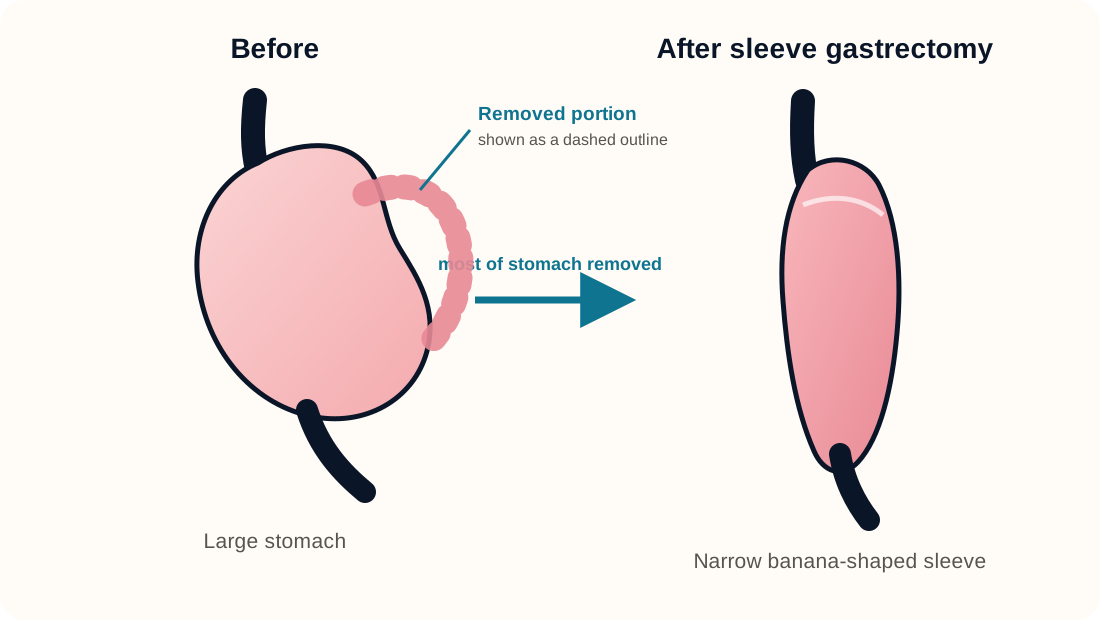
1. Robotic sleeve gastrectomy (gastric sleeve)
The sleeve is currently the most common bariatric operation. About 80% of the stomach is removed. What remains is a narrow tube, roughly the size and shape of a banana.
- How it works: You can hold less food. The part of the stomach that makes ghrelin, the hunger hormone, is removed, so appetite usually falls.
- Expected weight loss: Many patients lose about 60–70% of excess body weight in 12 to 18 months. Individual results vary.
2. Robotic Roux-en-Y gastric bypass
Often called the gold standard of weight-loss surgery. A small pouch is created from the top of the stomach and connected to the small intestine, bypassing the rest of the stomach and the first part of the intestine.
- How it works: Restriction (a small pouch) plus less calorie absorption, plus metabolic changes that often improve type 2 diabetes quickly.
- Often considered for: patients with severe acid reflux (GERD) or difficult-to-control type 2 diabetes.

Before surgery
The liver-shrinking diet (14 days pre-op)
For two weeks before surgery you will follow a strict low-carbohydrate, high-protein liquid diet — usually 3–4 protein shakes a day plus clear liquids. This is mandatory.
The night before
- Nothing by mouth after midnight — including water, coffee, mints, and gum.
- Shower with the antibacterial soap (Hibiclens) if the office provided it.
See the full Before Surgery checklist →
After surgery: diet phases
Your digestive system needs time to heal. Eating solid food too soon can stretch the new stomach or stress a staple line.
Phase 1 — Clear liquids (days 1–7)
Sip constantly but slowly. Do not use straws; they add air and cause painful gas. Goal: about 64 ounces of fluid a day. Allowed: water, sugar-free Gatorade, broth, sugar-free Jell-O, decaf tea.
Phase 2 — Full liquids and protein (weeks 2–3)
Add high-quality protein to support healing: protein shakes (often 60–80 g protein daily), Greek yogurt without fruit chunks, strained cream soups, skim milk — as directed by the team.
Phase 3 — Pureed and soft foods (weeks 4–6)
Food should mash easily with a fork. Chew 20–30 times per bite. Examples: scrambled eggs, cottage cheese, pureed chicken or fish, refried beans. Stop drinking 30 minutes before a meal and wait 30 minutes after before drinking again.
Return to the After Surgery hub →
Diet timelines are typical, not a personal prescription. Follow the plan given at discharge.