Gallbladder removal (cholecystectomy)
The gallbladder stores bile. When bile hardens into stones, they can block a duct and cause severe cramping in the upper right abdomen — often after greasy or fatty meals. If the gallbladder is infected or inflamed (cholecystitis), it usually needs to come out.
Dr. Henson almost always performs this as robotic-assisted laparoscopy through a few incisions often less than half an inch. Most patients go home the same day.
Gallbladder surgery in pictures

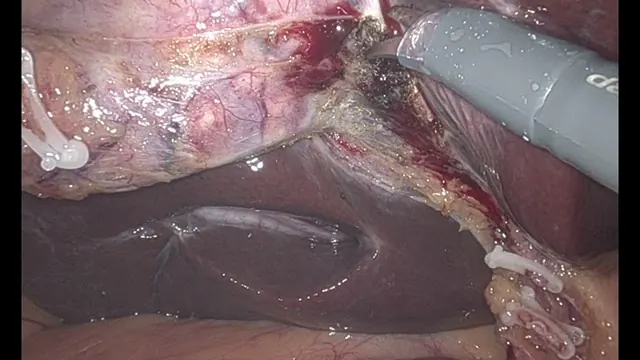
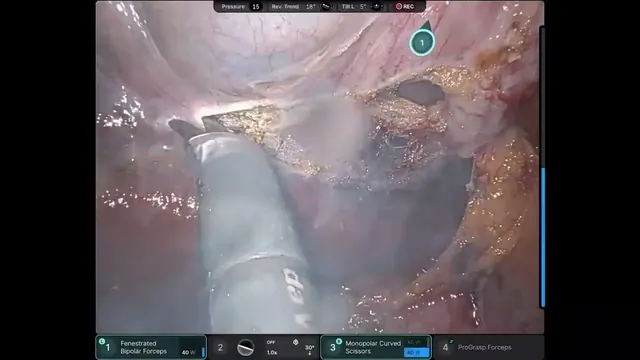
Before gallbladder surgery
- Follow the medication-stop list from the office.
- Nothing by mouth after midnight.
- Arrange a ride home. This is typically an outpatient operation.
Full Before Surgery checklist →
After gallbladder surgery
- Shoulder pain for 24–48 hours is common. It is referred pain from the carbon dioxide used to inflate the abdomen. Walking helps the body absorb that gas.
- Low-fat diet for the first 2–4 weeks. Without a gallbladder, bile drips continuously into the intestine. Too much fat early on can cause diarrhea and bloating. Add fats back slowly.
- Lifting: often no more than about 30 pounds for 4 weeks, to protect incision sites from a hernia. Confirm your personal limit on the discharge sheet.
- Shower after 24–48 hours unless told otherwise. No tubs or pools until cleared.
Warning signs and when to call →
Detailed gallbladder post-operative instructions →
Skin and soft-tissue surgery
Many of these are done in clinic or as a short outpatient case.
- Lipomas — slow-growing, benign fatty lumps between skin and muscle. Removed if they hurt or grow large.
- Sebaceous cysts — closed sacs under the skin. If infected, they are drained and the sac is removed so they are less likely to return.
- Melanoma and other skin cancers — wide local excision with attention to clear margins and a careful scar.
Detailed skin excision and biopsy instructions →
Your discharge paperwork is the plan that applies to you.