What a hernia is
A hernia happens when an organ or tissue pushes through a weak spot in muscle or fascia. The bulge may ache, burn, or become more obvious when you cough, bend, or lift. Repair is the durable treatment.
Types treated in this practice
Inguinal and femoral (groin)
The most common hernias. You may notice a bulge in the groin that is worse with coughing or lifting.
Ventral, umbilical, and incisional (abdominal wall)
Umbilical hernias sit near the belly button. Ventral or incisional hernias often appear at an old surgical scar where the muscle has weakened.
Hiatal
The upper stomach slides through the diaphragm into the chest. This can cause severe reflux or trouble swallowing and can be repaired robotically, sometimes with anti-reflux surgery.
Hernia repair in the operating room
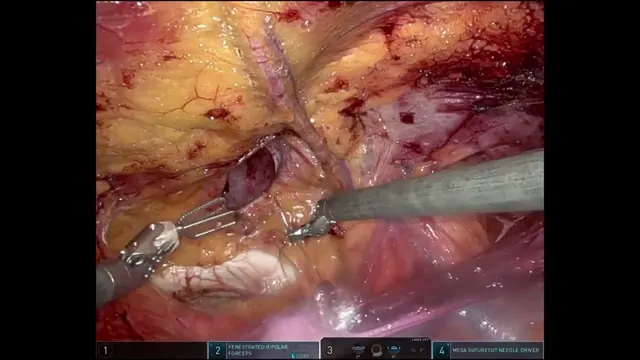
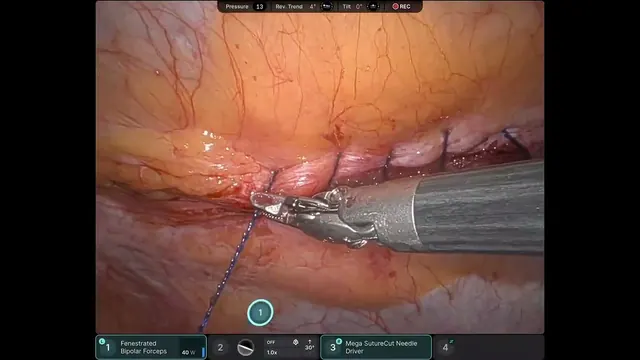
The robotic advantage
Whenever possible, Dr. Henson uses the da Vinci system through a few keyhole incisions instead of one long open cut.
- Wristed instruments sew the defect and place mesh with high accuracy.
- Mesh can often be placed behind the muscle (retro-muscular), away from the intestine, which can lower scar-tissue problems.
- Smaller incisions usually mean less pain and a faster return to work.
Before hernia surgery
- Stop smoking. Nicotine is a leading reason repairs fail.
- Medications. Stop blood thinners, aspirin, ibuprofen, and listed supplements 7 days prior if Dr. Henson directs it.
- Fasting. Nothing by mouth after midnight the night before.
Full Before Surgery checklist →
After hernia surgery
Protect the repair. If you strain the wall before it has healed into the mesh, the hernia can come back.
Activity
- Do not lift, push, or pull more than 10 to 15 pounds for 4 to 6 weeks unless you are told otherwise. A gallon of milk is about 8 pounds.
- Walking starts the day of surgery and is encouraged.
- No strenuous core work, golf, or heavy yard work until you are cleared.
- Desk jobs: often 1–2 weeks. Manual labor: often 4–6 weeks of restricted duty.
Pain and bowels
- Take stool softeners (such as Colace or MiraLAX) while on prescription pain medicine. Do not strain on the toilet.
- Ice the incision or groin 20 minutes at a time.
- You may be told you can alternate acetaminophen and ibuprofen.
Incision care
Shower after 24–48 hours. Let warm, soapy water run over glue or Steri-Strips. Do not scrub. Pat dry. No baths, hot tubs, or pools for at least 3 weeks.
Follow your printed discharge instructions if they differ from this page.